Smile design · DSD
Before making changes, we learn to see.
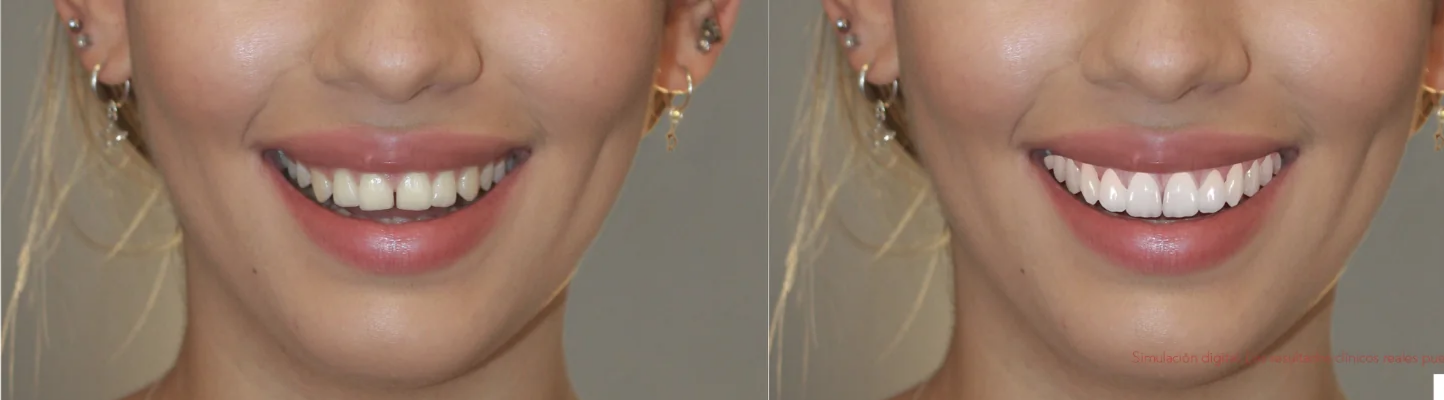
Smile design is neither a filter nor a standalone treatment. It is an approach to dentistry: listening, diagnosing, visualising and organising decisions before treatment begins.
We do not design teeth in isolation.
We design relationships.
Between your smile and your face. Between what you want to change and what makes you recognisable. Between aesthetics, health, function and the time each stage needs.
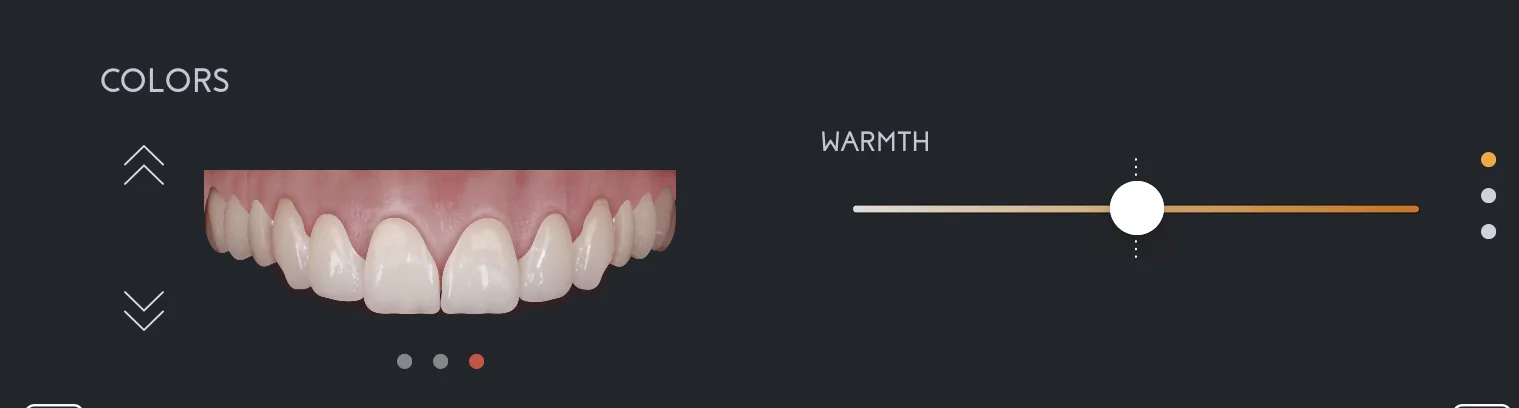
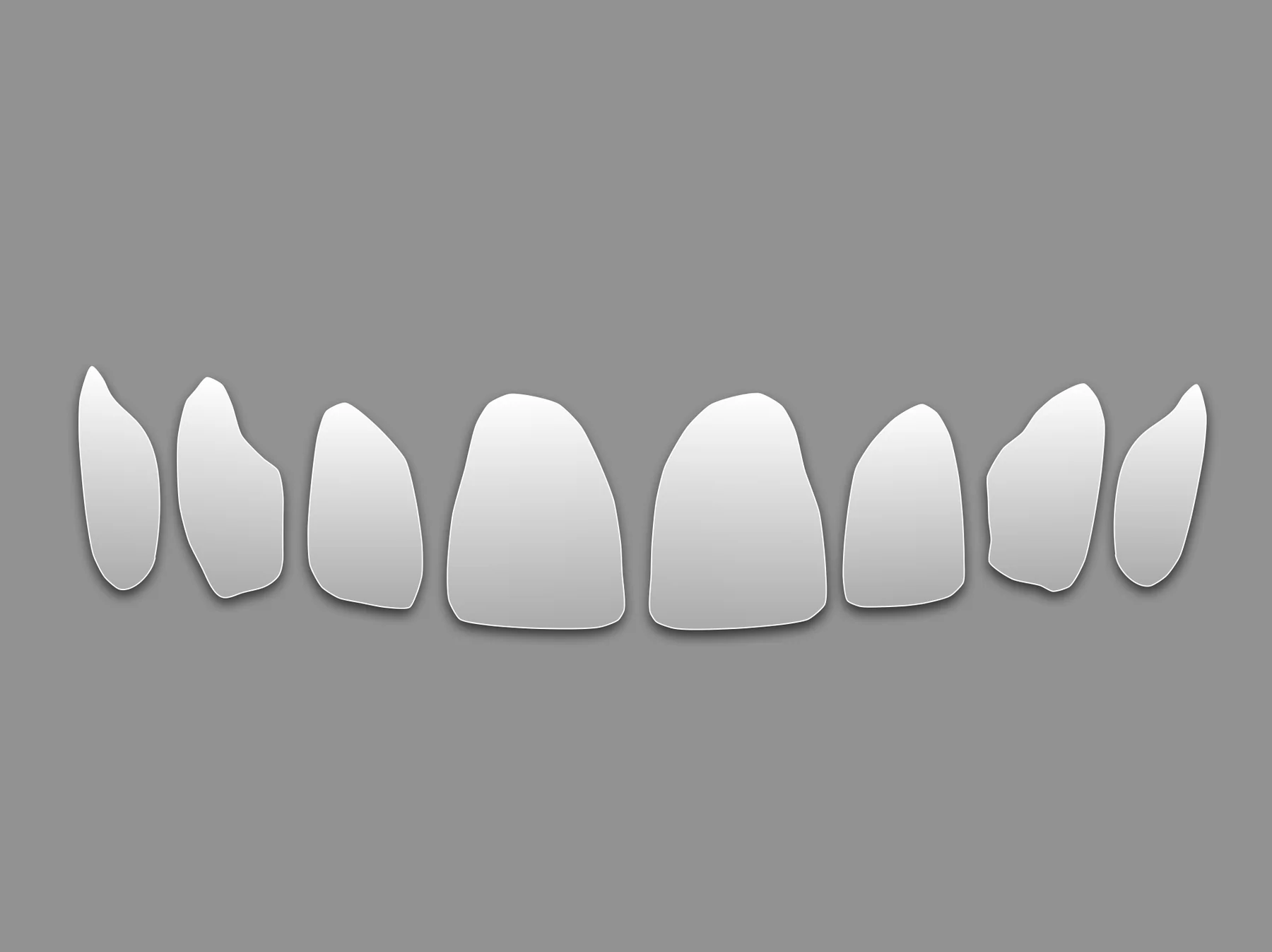
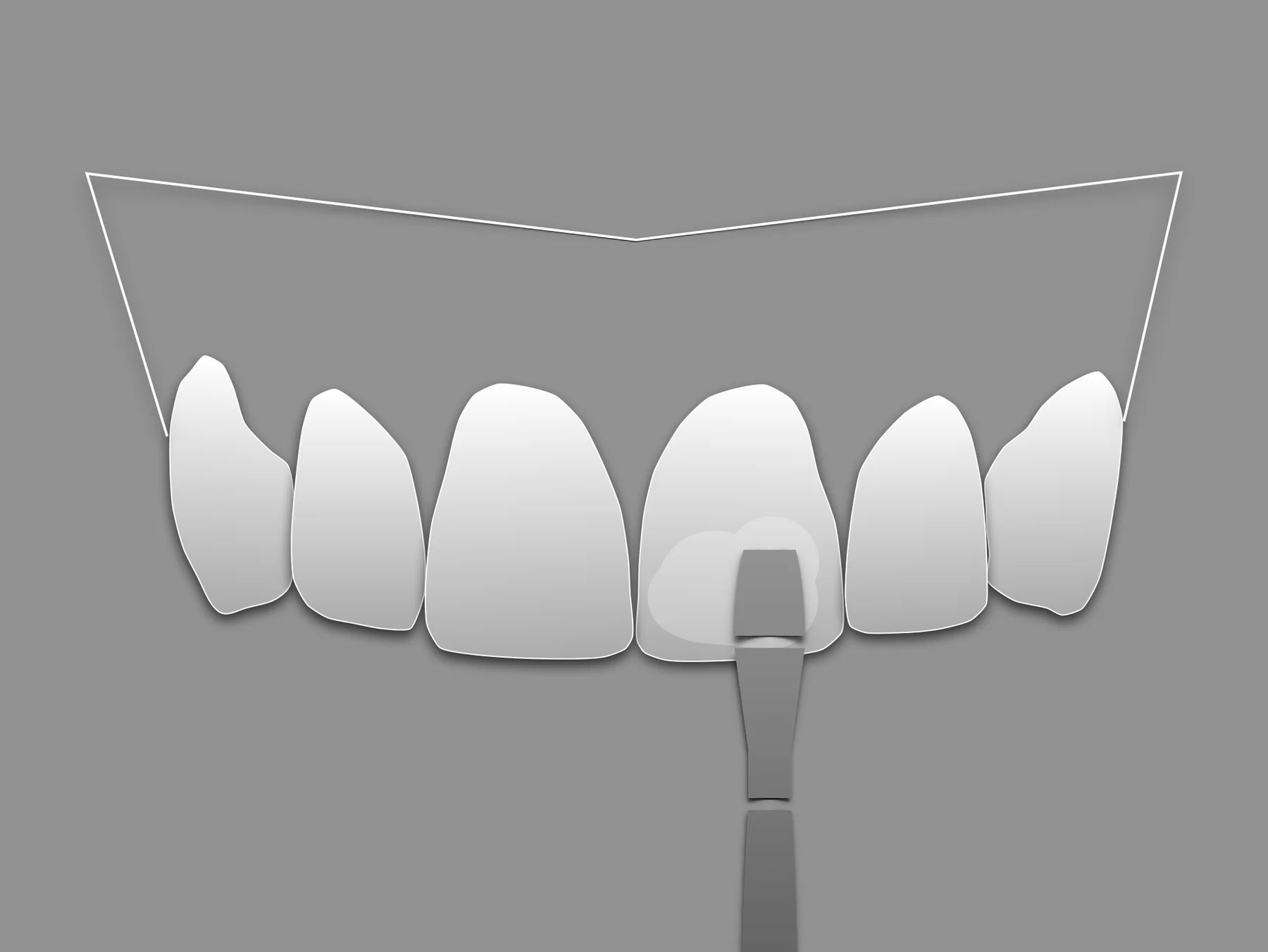
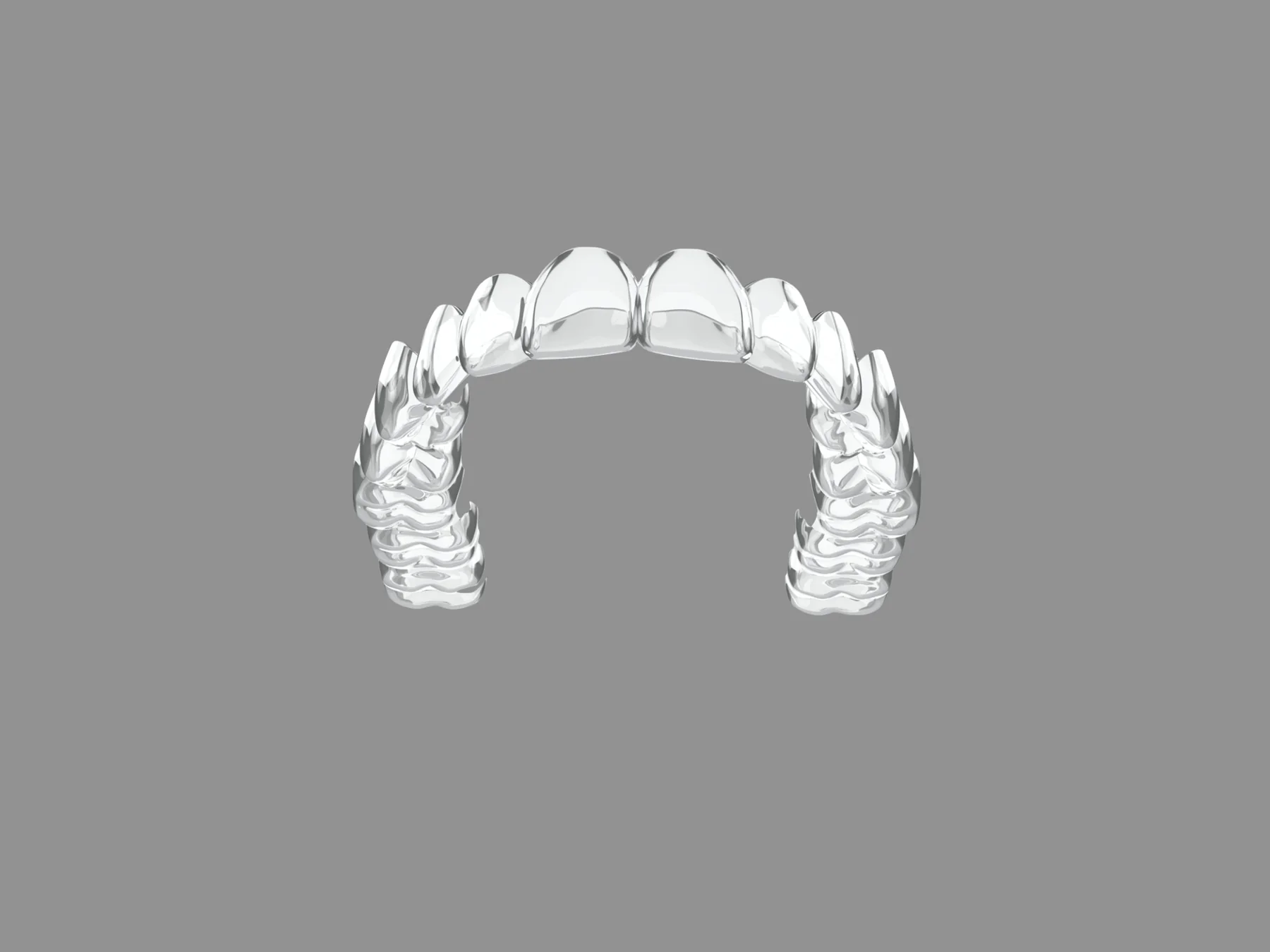
DSD and digital tools help us analyse and communicate the plan. Decisions remain clinical and personal. The design seeks harmony between teeth, gums and facial features, respecting the shape of the face and what makes each smile recognisable.
A method,
not a formula.
- 01
We listen
What you want to change, what you wish to keep and how you want to feel.
01 - 02
We analyse
Face, smile, teeth and gums: the whole picture, not an isolated tooth.
02 - 03
We design
A unique, balanced and natural plan, tailored to you.
03 - 04
We treat
With precision, specialist expertise and only what each case needs.
04 - 05
We support
We review, maintain and care for the result over the long term.
05
See more clearly,
decide with confidence.
Photography, video, scanning and simulation help us study proportions and share a direction. Then skilled craftsmanship shapes the details: texture, contour and balance. Visualisation guides us; clinical judgement and personalised work create the result.