Restore function
Implants and rehabilitation
Replacing a tooth restores function, proportion and confidence. The plan is built around the whole picture, not a single tooth.
It is not about doing more.
It is about choosing wisely.
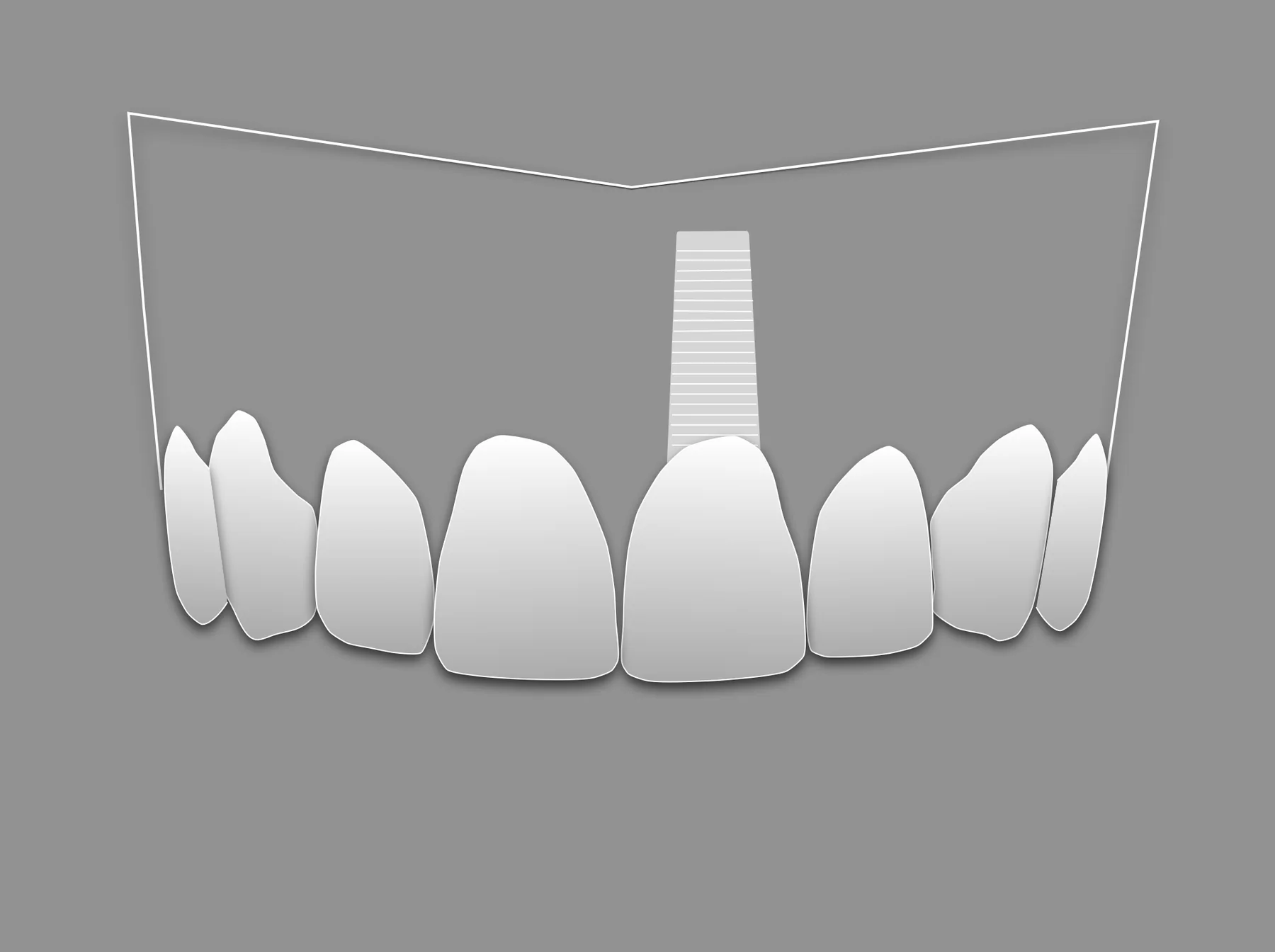
Implants provide support for replacing missing teeth. Rehabilitation brings surgery, prosthetics, gums, bite and hygiene together in a coordinated plan.
It may be considered for…
- One or more missing teeth.
- Prostheses needing a new functional assessment.
- Complex rehabilitation requiring coordination between specialities.
Understand first.
Then treat.
- 01
Comprehensive diagnosis
We assess health, bone, gums, bite and expectations.
- 02
Interdisciplinary plan
We sequence surgery, temporary restorations and definitive prosthetics.
- 03
Phased treatment
We carry out each stage while respecting biological healing times.
- 04
Maintenance
We review tissues, hygiene, prosthetics and function.
Clinical judgement,
not promises.
- Suitability depends on general health, bone, gums and habits.
- Additional procedures may be required.
- Professional and at-home maintenance are essential.
- Results and timings may vary according to diagnosis and individual response.
Before you decide.
How do you decide whether this treatment is suitable?
Suitability depends on a clinical assessment and, where appropriate, X-rays and photographs. More conservative alternatives are also considered before choosing a plan.
How long does treatment take?
The timeline varies with the starting point, complexity and each person's response. Your individual proposal sets out the stages, appointments and maintenance.
Is an implant always possible?
No. Alternatives and local and general factors must be assessed before recommending one.