Cosmetic dentistry
Composite bonding · Smile Design
Small changes can transform how a smile is perceived. Composite allows us to work on shape, texture and light directly on the tooth.
It is not about doing more.
It is about choosing wisely.
Composite is an adhesive restorative material that can be used to rebuild teeth, close gaps or refine shape conservatively.
It may be considered for…
- Small fractures or areas of wear.
- Gaps, asymmetries or proportions that could be improved.
- Front-tooth restorations that need to blend in better.
Understand first.
Then treat.
- 01
Reading the smile
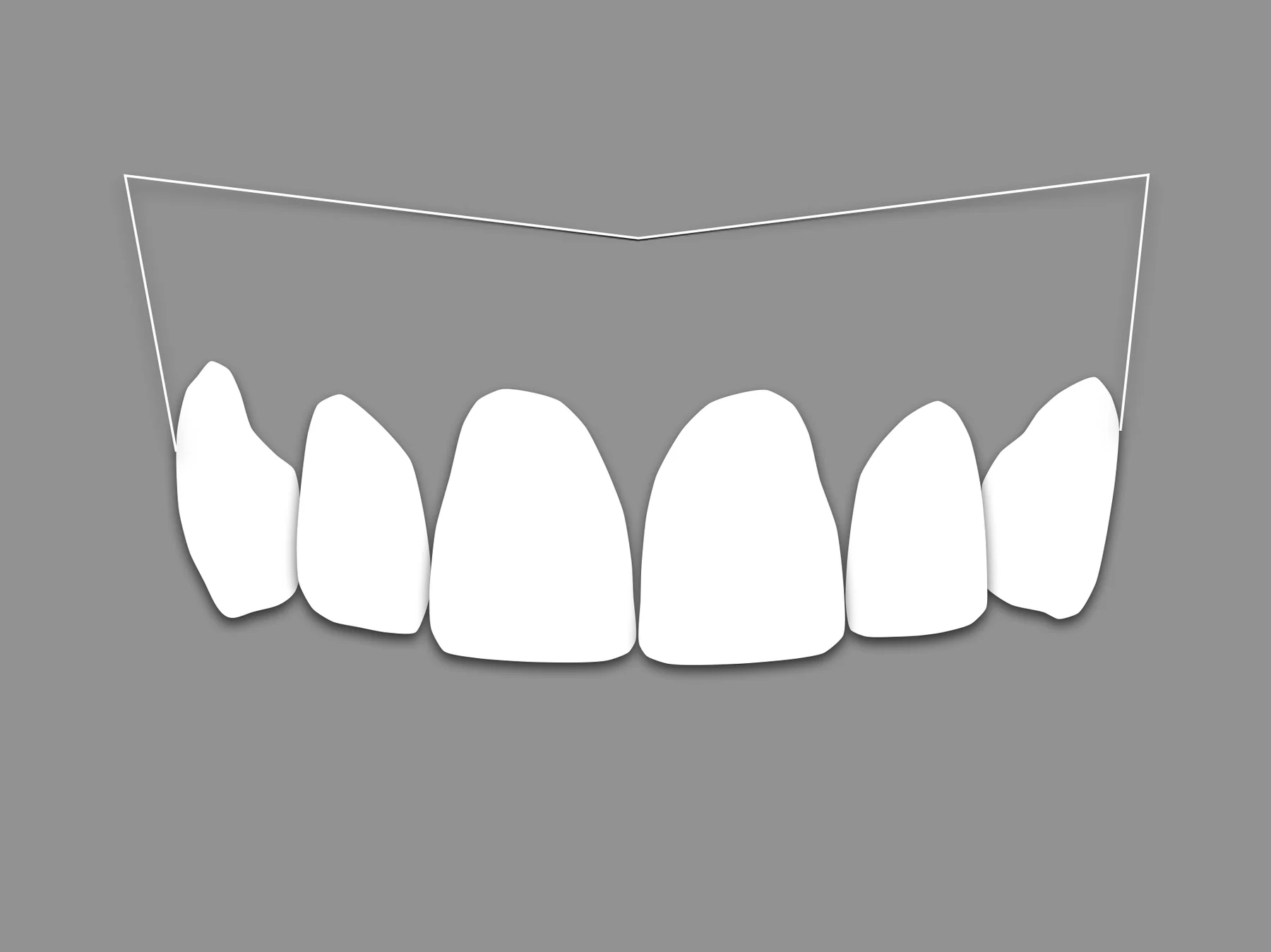
We study proportion, colour, texture and movement.
- 02
Conservative plan
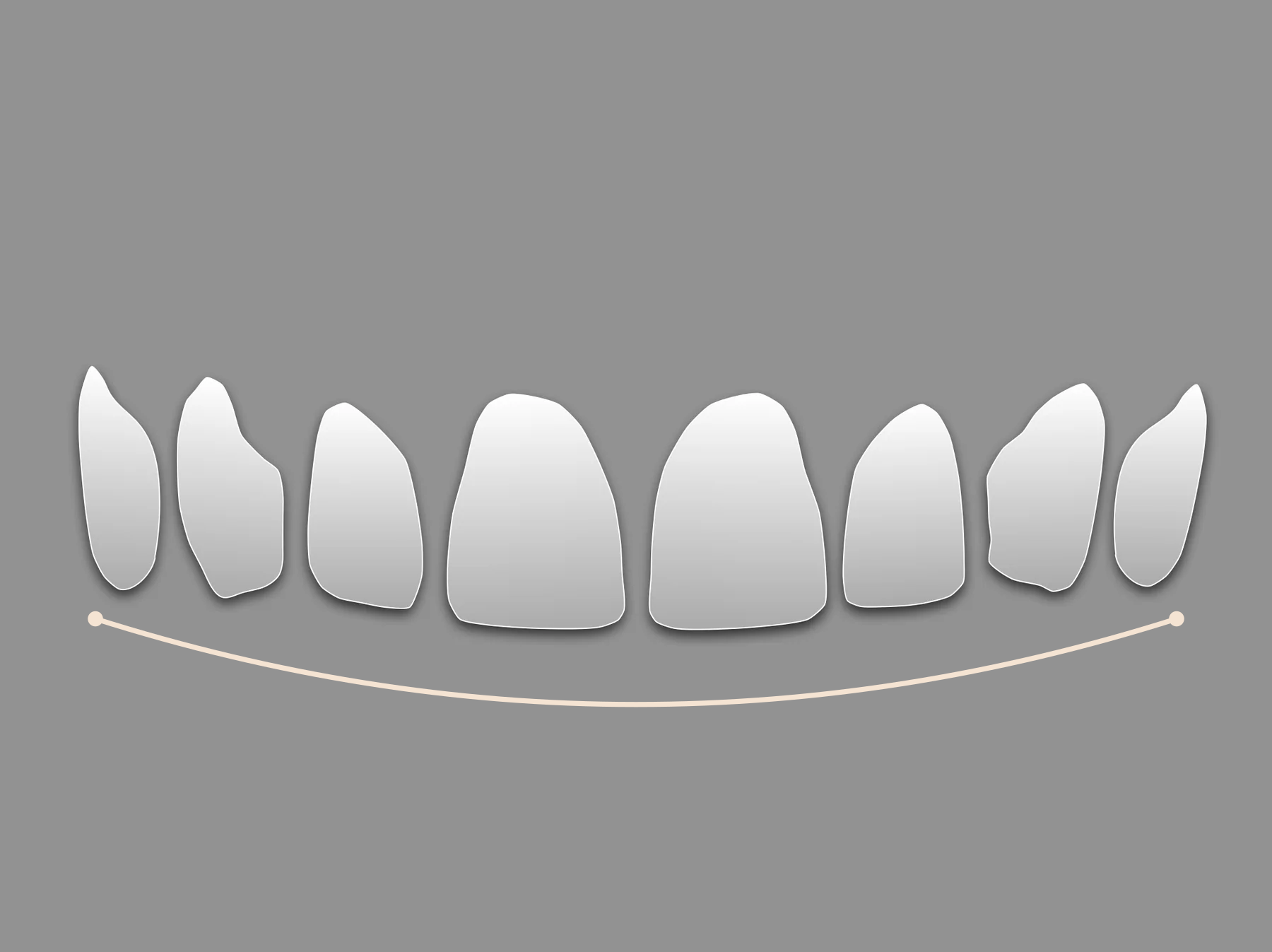
We define which changes add value and what should be preserved.
- 03
Sculpting
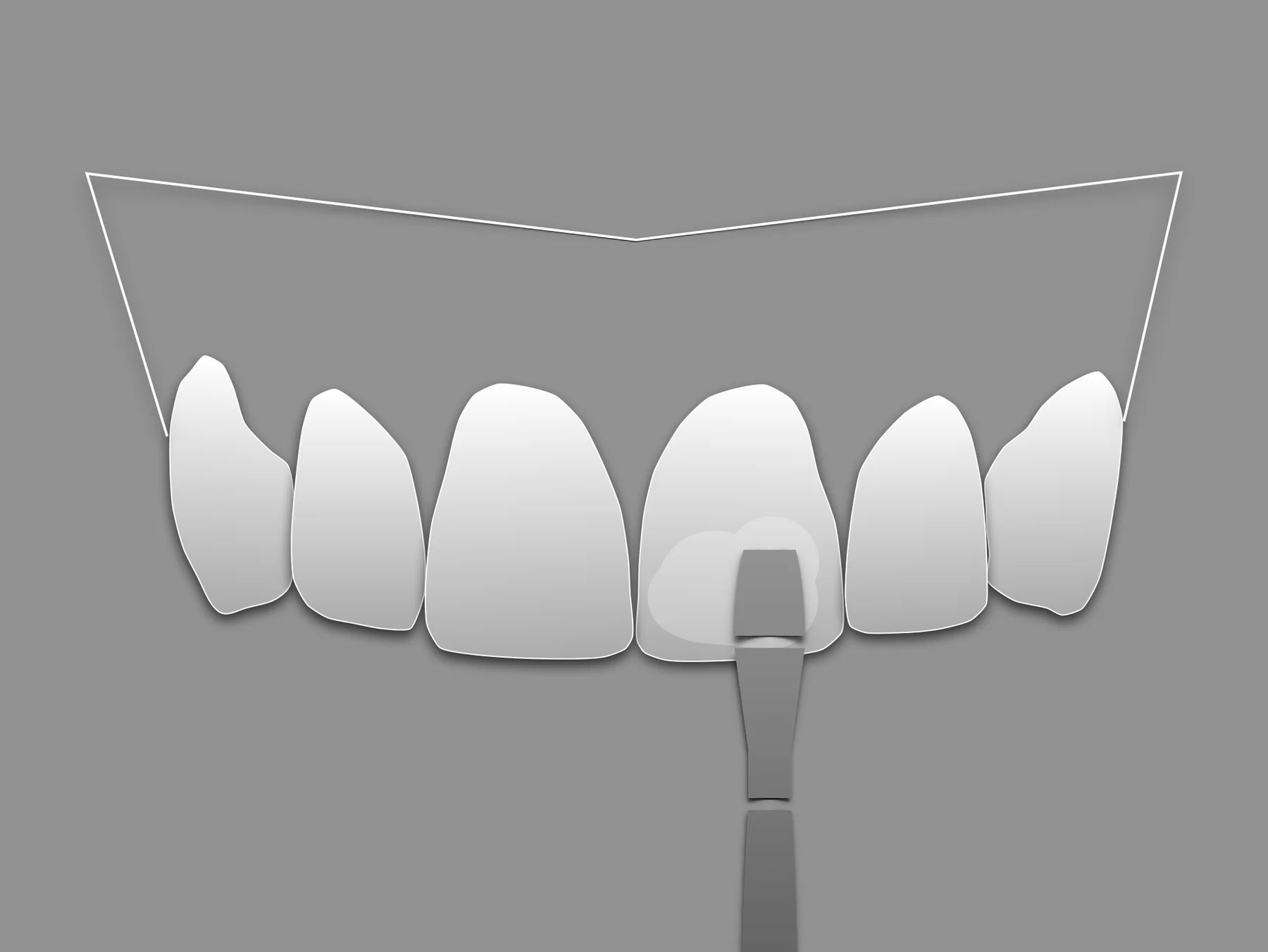
We build the material in layers to blend it with the tooth.
- 04
Polishing and review
We refine texture, shine, bite and maintenance.
Clinical judgement,
not promises.
- Maintenance and polishing are needed over time.
- Colour and suitability are assessed before treatment begins.
- Habits and bite can affect longevity.
- Results and timings may vary according to diagnosis and individual response.
Before you decide.
How do you decide whether this treatment is suitable?
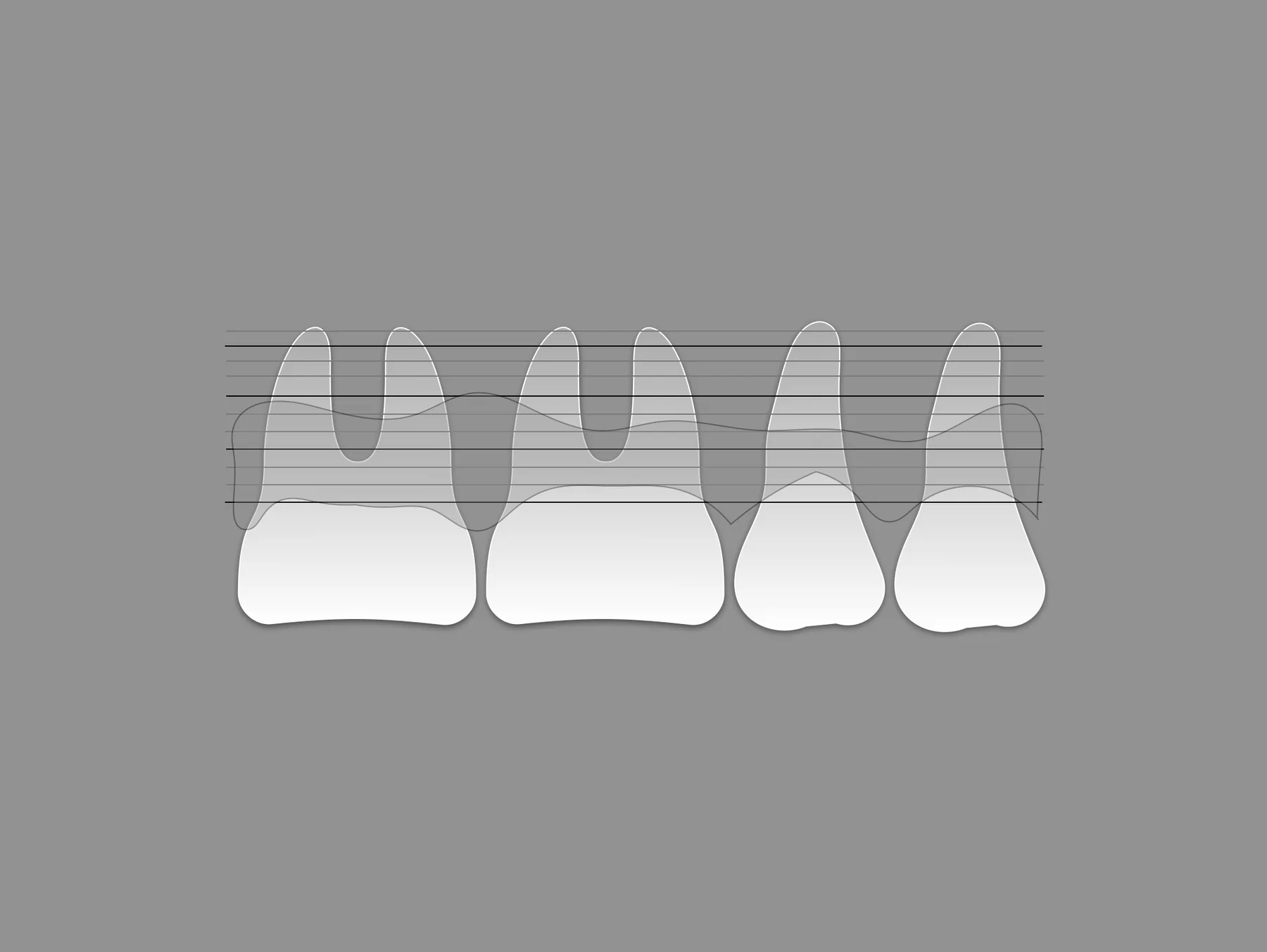
Suitability depends on a clinical assessment and, where appropriate, X-rays and photographs. More conservative alternatives are also considered before choosing a plan.
How long does treatment take?
The timeline varies with the starting point, complexity and each person's response. Your individual proposal sets out the stages, appointments and maintenance.
Composite or porcelain?
They are different options. The choice depends on the extent of change, available tooth tissue, the bite and maintenance expectations.