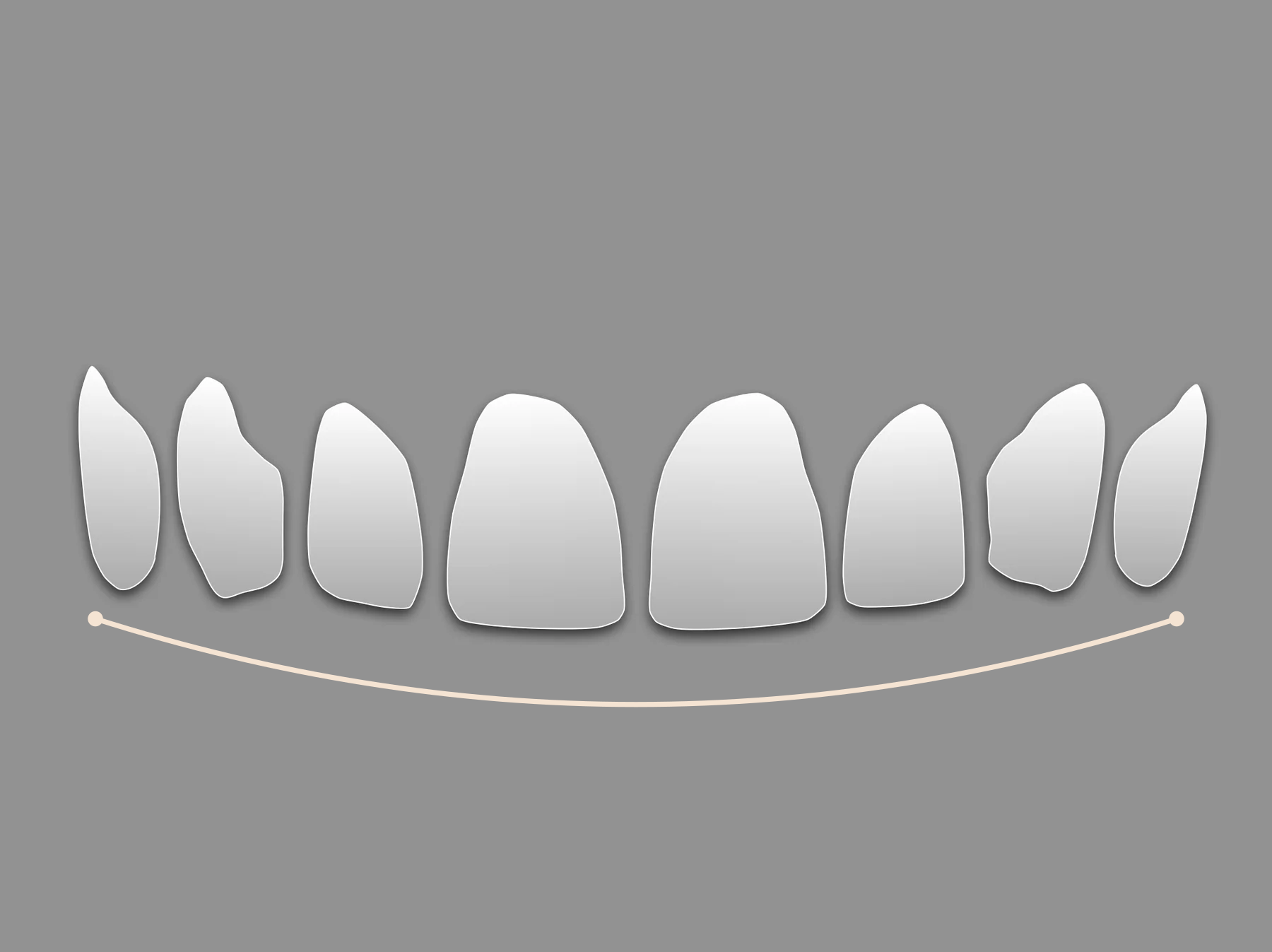
Detail and proportion
Dental rejuvenation and contouring
Sometimes the difference lies in an edge, a texture or a transition. The aim is to refine the smile without erasing its identity.
It is not about doing more.
It is about choosing wisely.
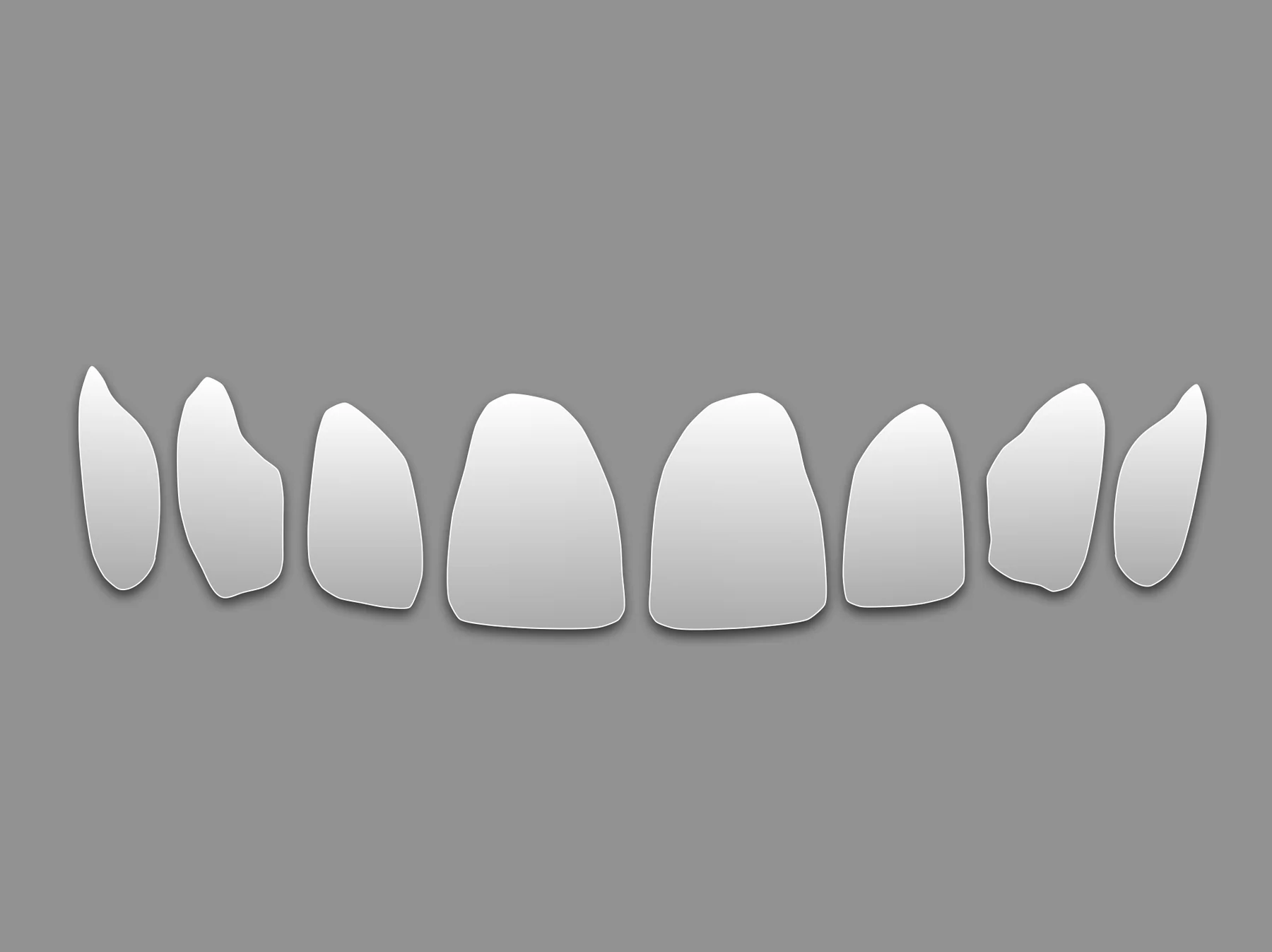
Contouring adjusts minor irregularities in shape or length through conservative polishing. Suitability must respect enamel, function and bite.
It may be considered for…
- Uneven edges.
- Slight asymmetries in shape or length.
- Details affecting the overall appearance of the smile.
Understand first.
Then treat.
- 01
Analysis
We observe the smile at rest, during speech and in movement.
- 02
Simulation
We define the smallest change that brings balance.
- 03
Procedure
We make the minimum adjustment indicated by the diagnosis.
- 04
Finishing
We polish the texture and check function and speech.
Clinical judgement,
not promises.
- It is only carried out where biological and functional limits allow.
- It does not replace restoration when tooth structure is missing.
- Active tooth wear must be diagnosed first.
- Results and timings may vary according to diagnosis and individual response.
Before you decide.
How do you decide whether this treatment is suitable?
Suitability depends on a clinical assessment and, where appropriate, X-rays and photographs. More conservative alternatives are also considered before choosing a plan.
How long does treatment take?
The timeline varies with the starting point, complexity and each person's response. Your individual proposal sets out the stages, appointments and maintenance.
Does contouring always involve removing enamel?
Contouring involves a minimal adjustment to the enamel. If it is not indicated, other options are considered without presenting them as contouring.