Alignment and function
Clear aligner orthodontics
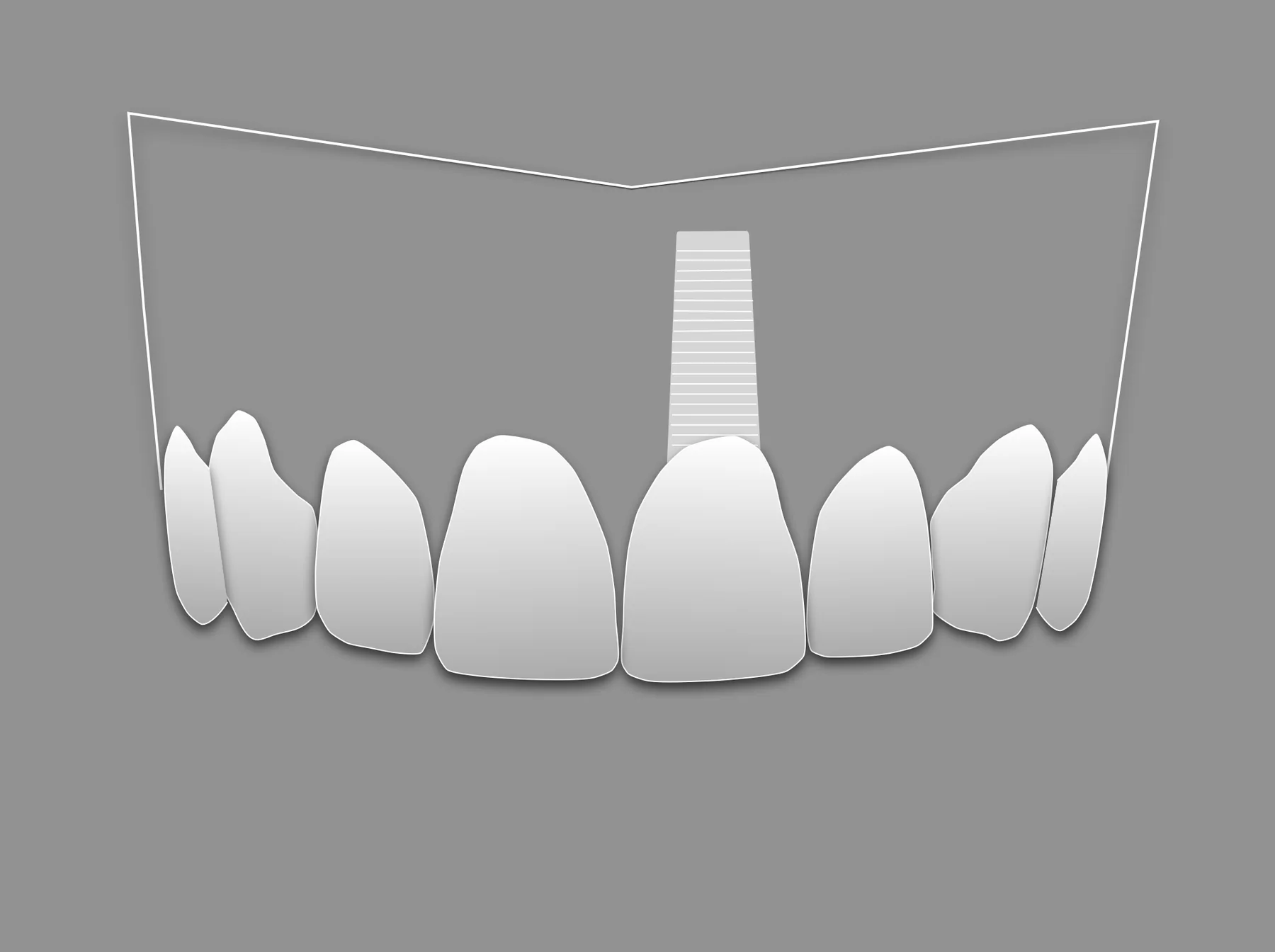
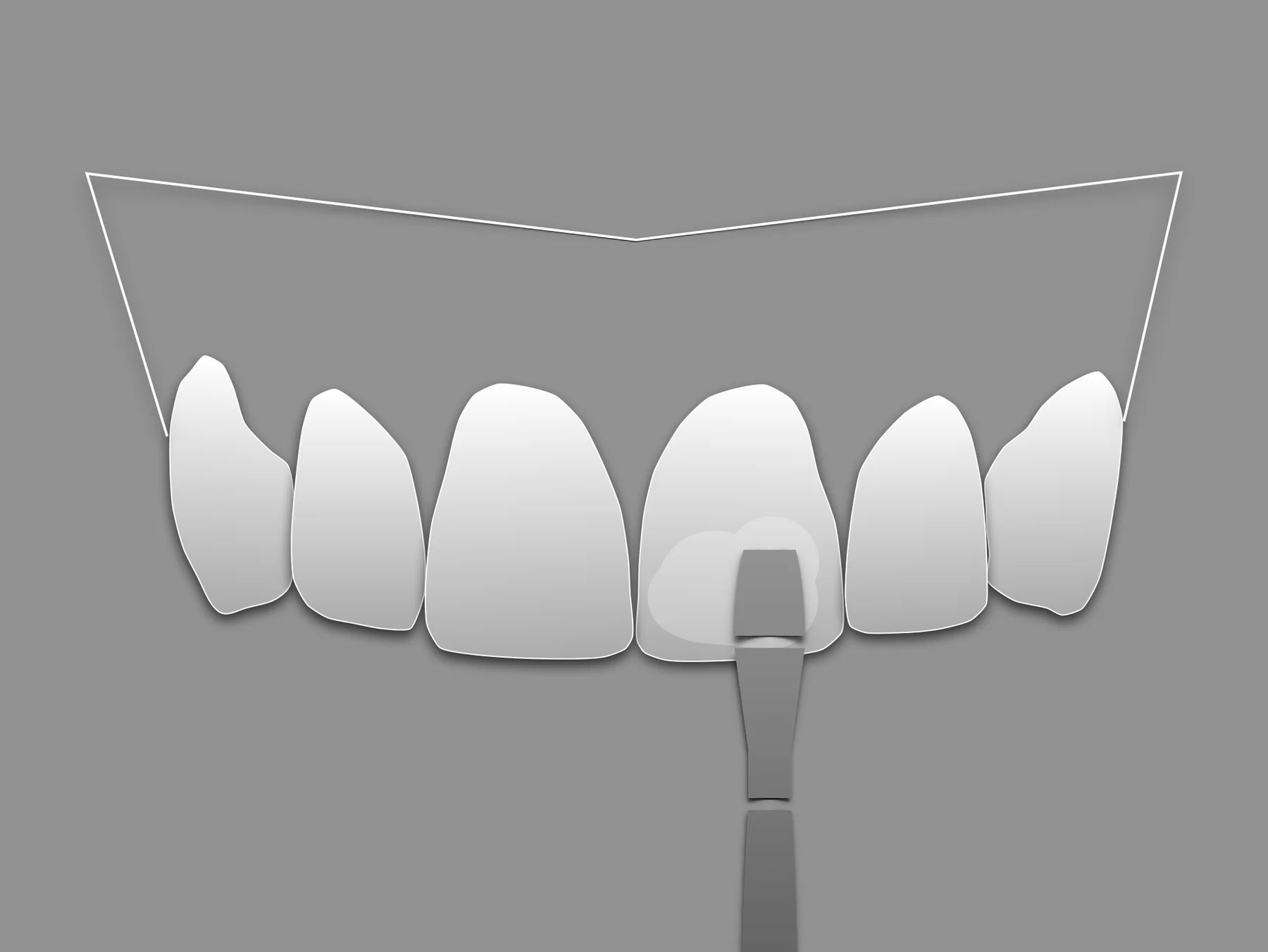
Alignment brings order to both the smile and the bite. A discreet appliance does not replace the diagnosis behind the tooth movement.
It is not about doing more.
It is about choosing wisely.
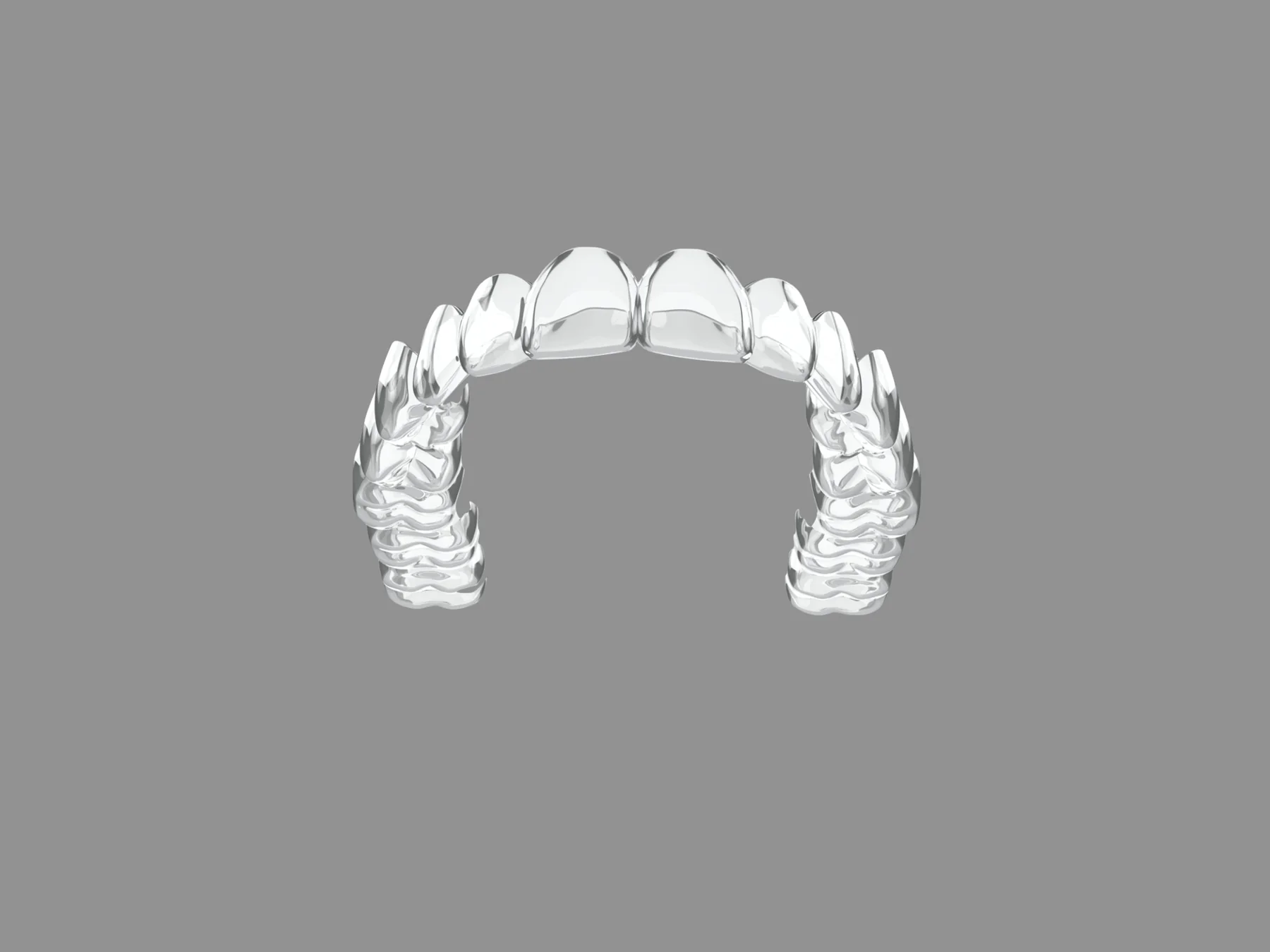
Clear aligner orthodontics uses a planned sequence of removable trays to move teeth. It requires assessment, patient cooperation and regular reviews.
It may be considered for…
- Crowded teeth or gaps.
- Certain bite problems.
- Aesthetic plans requiring alignment before restoration.
Understand first.
Then treat.
- 01
Assessment
We collect clinical, photographic and digital records.
- 02
Planning
We define the movements, goals and limits of the case.
- 03
Aligners and reviews
We monitor progress and adjust when necessary.
- 04
Retention
We protect the achieved position with a stability plan.
Clinical judgement,
not promises.
- Consistent wear affects progress.
- Not all movements have the same complexity.
- Retention is part of treatment.
- Results and timings may vary according to diagnosis and individual response.
Before you decide.
How do you decide whether this treatment is suitable?
Suitability depends on a clinical assessment and, where appropriate, X-rays and photographs. More conservative alternatives are also considered before choosing a plan.
How long does treatment take?
The timeline varies with the starting point, complexity and each person's response. Your individual proposal sets out the stages, appointments and maintenance.
Are aligners suitable for every case?
Not necessarily. Suitability depends on the bite problem, the movements needed and the expected level of cooperation.